
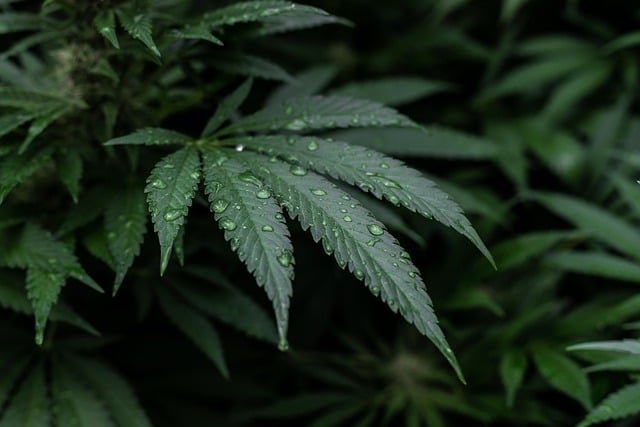
In recent years, cannabidiol (CBD) has emerged as a popular natural remedy for a variety of ailments. As a non-psychoactive compound found in cannabis plants, CBD offers a range of health benefits without the intoxicating effects associated with its cousin, THC. With a growing body of research supporting its therapeutic potential, CBD has become a staple in the world of health and wellness. This comprehensive guide will explore how CBD can enhance overall wellness, the science behind its effects, and practical ways to incorporate it into your daily routine.
Understanding CBD: What is it and How Does it Work?
CBD is one of over 100 cannabinoids found in the cannabis plant. Unlike THC, CBD does not produce a “high” but interacts with the body’s endocannabinoid system (ECS), a complex network of receptors and enzymes that play a crucial role in regulating various physiological processes.
The Endocannabinoid System
The ECS is involved in maintaining homeostasis, or balance, within the body. It influences functions such as mood, appetite, sleep, immune response, and pain perception. The system comprises two main types of receptors: CB1 receptors, primarily located in the brain and central nervous system, and CB2 receptors, found in the peripheral organs and cells associated with the immune system.
How CBD Interacts with the ECS
CBD interacts with the ECS by modulating the activity of both CB1 and CB2 receptors. It doesn’t bind directly to these receptors but influences them in a way that promotes balance and wellness. Additionally, CBD affects the activity of other non-cannabinoid receptors, such as serotonin and vanilloid receptors, which further contributes to its therapeutic effects.
The Health Benefits of CBD
Research into the health benefits of CBD is ongoing, but current evidence suggests it may be effective for a variety of conditions. Here are some of the most well-documented benefits:
Pain Relief
CBD is widely recognized for its analgesic properties. It can help manage chronic pain by reducing inflammation and interacting with neurotransmitters. Conditions like arthritis, multiple sclerosis, and fibromyalgia may benefit from CBD’s pain-relieving effects.
Anxiety and Depression
CBD has shown promise in reducing symptoms of anxiety and depression. It appears to influence the brain’s receptors for serotonin, a neurotransmitter that regulates mood and social behavior. Studies suggest that CBD may help alleviate generalized anxiety disorder, social anxiety disorder, and post-traumatic stress disorder (PTSD).
Sleep Disorders
For those struggling with sleep issues, CBD may offer relief. By addressing underlying causes such as anxiety and pain, CBD can improve sleep quality and duration. Some studies have found that CBD can help with insomnia and increase overall sleep time.
Neuroprotective Properties
CBD’s interaction with the ECS and other brain signaling systems may provide neuroprotective benefits. Research is exploring its potential in treating neurological disorders such as epilepsy, Alzheimer’s disease, and multiple sclerosis. In fact, the FDA has approved a CBD-based drug, Epidiolex, for the treatment of certain types of epilepsy.
Anti-Inflammatory and Antioxidant Effects
CBD’s anti-inflammatory properties make it a potential treatment for inflammatory conditions like Crohn’s disease and irritable bowel syndrome (IBS). Additionally, its antioxidant effects can help protect cells from damage caused by free radicals, which are linked to aging and chronic diseases.
Heart Health
CBD may also support heart health by reducing high blood pressure, a major risk factor for heart disease. Its stress-reducing and antioxidant properties contribute to its cardioprotective effects.
Incorporating CBD into Your Wellness Routine
With its myriad benefits, CBD can be a valuable addition to your wellness regimen. Here are some practical ways to incorporate it:
Choosing the Right Product
CBD is available in various forms, including oils, capsules, edibles, topicals, and more. Selecting the right product depends on your specific needs and preferences.
– **CBD Oil:** A versatile option that can be taken sublingually, added to food or drinks, or applied topically.
– **Capsules:** A convenient way to consume a pre-measured dose of CBD.
– **Edibles:** Gummies and other edibles offer a tasty and discreet way to consume CBD.
– **Topicals:** Creams, balms, and lotions infused with CBD can be applied directly to the skin for targeted relief.
Determining the Right Dosage
Finding the optimal CBD dosage can be a trial-and-error process, as it varies based on factors such as body weight, metabolism, and the condition being treated. Start with a low dose and gradually increase until you achieve the desired effects. Consulting with a healthcare professional can also provide guidance.
Timing Your Intake
Consider timing your CBD intake based on your wellness goals. For example, taking CBD in the morning might promote focus and clarity, while consuming it before bedtime can enhance sleep quality. If using CBD for pain relief, consistent dosing throughout the day may be beneficial.
Monitoring Your Response
It’s important to track your response to CBD, noting any changes in symptoms or side effects. This will help you adjust your dosage and determine the most effective form of CBD for your needs.
Safety and Legal Considerations
While CBD is generally considered safe, there are some safety and legal considerations to keep in mind:
Potential Side Effects
CBD can cause side effects in some individuals, including dry mouth, dizziness, changes in appetite, and diarrhea. It may also interact with certain medications, so it’s important to consult a healthcare provider if you’re taking prescription drugs.
Legal Status
The legal status of CBD varies by country and region. In the United States, hemp-derived CBD products containing less than 0.3% THC are legal under federal law. However, state laws may differ, so it’s important to be aware of local regulations.
The Future of CBD in Health and Wellness
As research continues to uncover the potential benefits of CBD, its role in health and wellness is likely to expand. Ongoing studies are exploring its effects on conditions such as cancer, diabetes, and mental health disorders, which could open new avenues for therapeutic applications.
Personalized CBD Therapies
The future may see more personalized CBD therapies, tailored to individual needs and genetic profiles. Advances in technology and research could lead to the development of targeted treatments that maximize CBD’s therapeutic potential.
Integration into Traditional Medicine
As evidence of CBD’s efficacy grows, it may become more integrated into traditional medical practices. Healthcare professionals could incorporate CBD into treatment plans for a range of conditions, offering patients a holistic approach to wellness.
Conclusion
Unlocking the power of CBD involves understanding its interaction with the body’s endocannabinoid system and recognizing its vast therapeutic potential. From pain relief and anxiety reduction to improved sleep and heart health, CBD offers a natural way to enhance overall wellness. By choosing the right products, determining the appropriate dosage, and staying informed about safety and legal considerations, you can harness the benefits of CBD to support a healthier, more balanced lifestyle. As research progresses, the future of CBD in health and wellness holds exciting possibilities, promising new insights and innovations that could transform the way we approach holistic health.
#ChatGPT assisted in the creation of this article.


